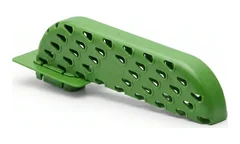
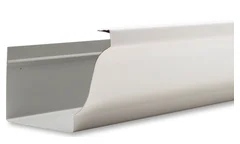
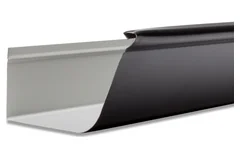
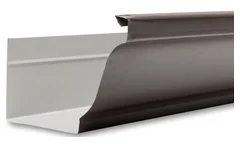
Free Flowmate downpipe protection with your new spouting. Find out more →
CallBook a Free Site Visit
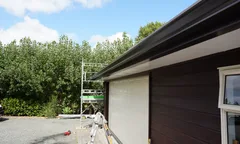
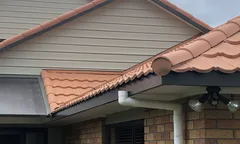
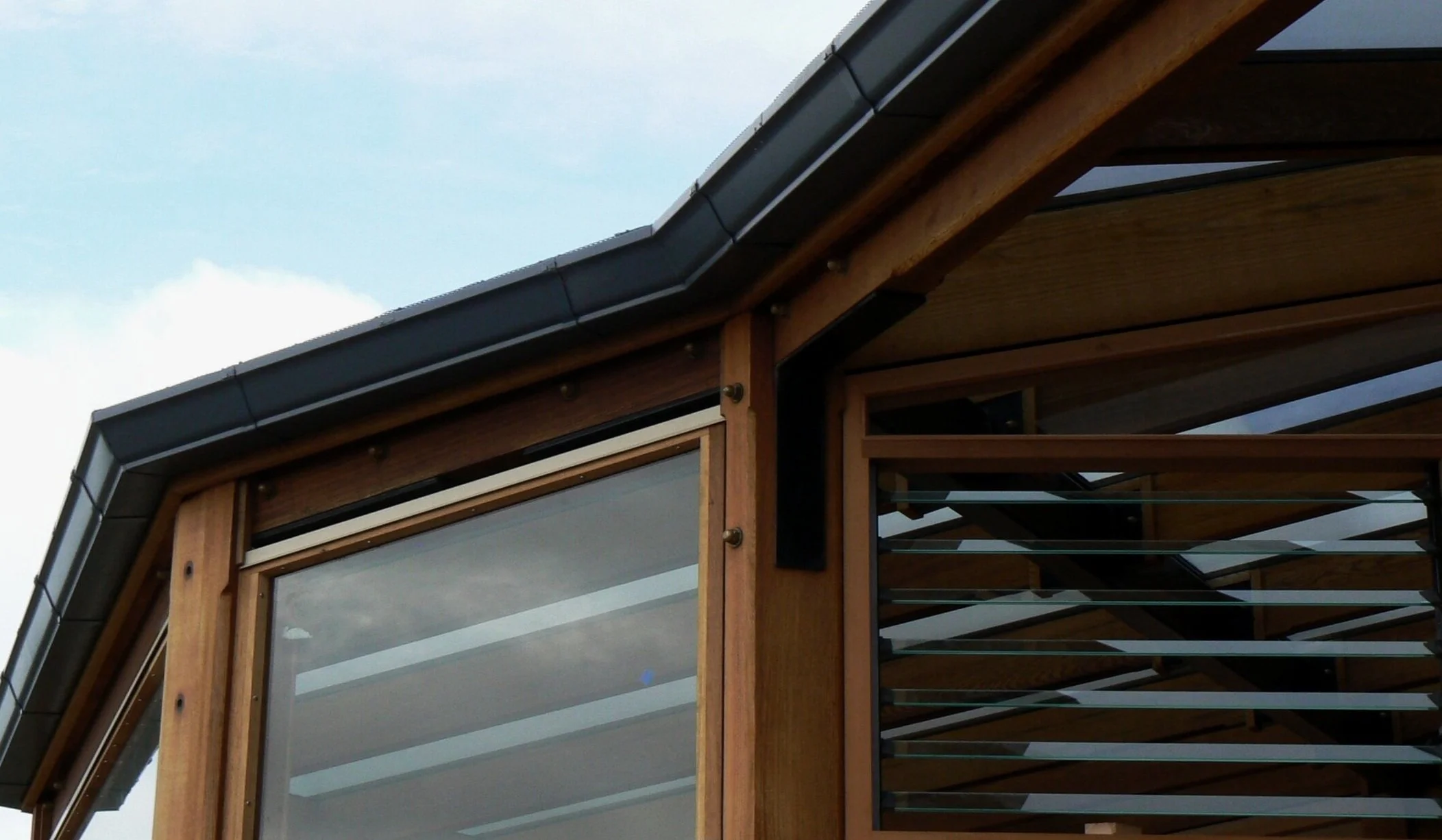
Spouting along the roofline of a timber-framed home
News

What to consider when choosing a rainwater system

A rainwater system has one job: get the water off your roof and send it where it should go. How well it does that comes down to a few things: spouting size, downpipes, fall, overflow, materials and, in some places, snow.

1:1000
Minimum fall
65 to 150mm
Round downpipe sizes
3 to 9mm
Emergency overflow gap
B to E
Exposure zones

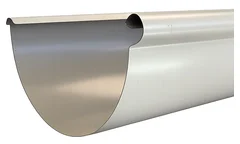
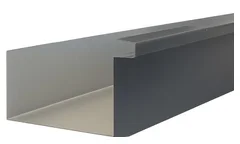
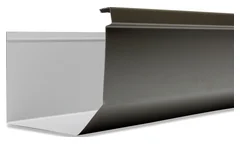
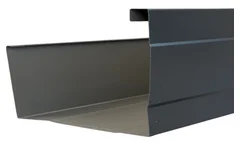
Spouting size and capacity

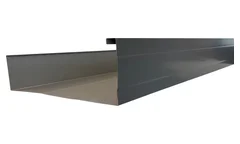
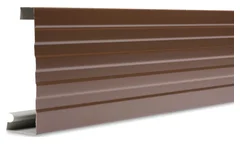
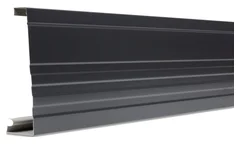
Spouting capacity is its cross-section, measured in mm². The gap between profiles is bigger than it looks.

A bigger roof, a steeper pitch or fewer downpipes all push the spouting harder. The right size depends on your building, not just the look you want.

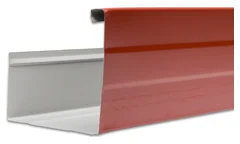
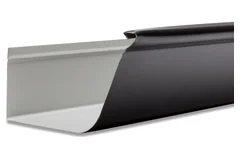
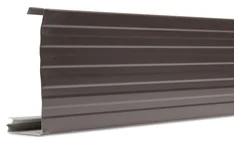
  • Quartz, New Zealand's most popular residential profile: 7,378mm², with a flow of 108.7 litres a minute

  • Quartz Plus: the same shape at 11,215mm² and 183 litres a minute. That's 52% more capacity.

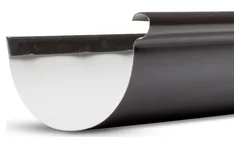
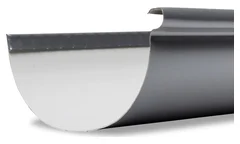
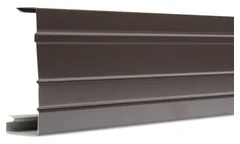
  • Big Chief: the Chief profile up a size, at 9,816mm². It suits high-pitched roofs or homes with few downpipes.

  • Halo 200: 15,151mm², for large roofs

  • Texan: 17,525mm², for commercial buildings that handle big volumes of water without looking industrial

What size downpipe do I need?

Spouting that suits the roof will still overflow if the downpipes can't clear the water fast enough.

Our Form Series round downpipes come in 65mm, 80mm, 100mm and 150mm. Capacity runs from 3,550mm² for the 65mm to 19,600mm² for the 150mm. A 100mm downpipe holds 7,690mm². There are rectangular downpipes too, in 75 x 55mm and 100 x 55mm. The 150mm round suits commercial buildings and large roofs.

How many downpipes you need depends on your roof area and how hard it rains where you live. We work it out using the NZ Metal Roofing Code of Practice.

Not every downpipe suits every profile. Quartz takes 65mm or 80mm round, or either rectangular size. So we choose your spouting and downpipes together.

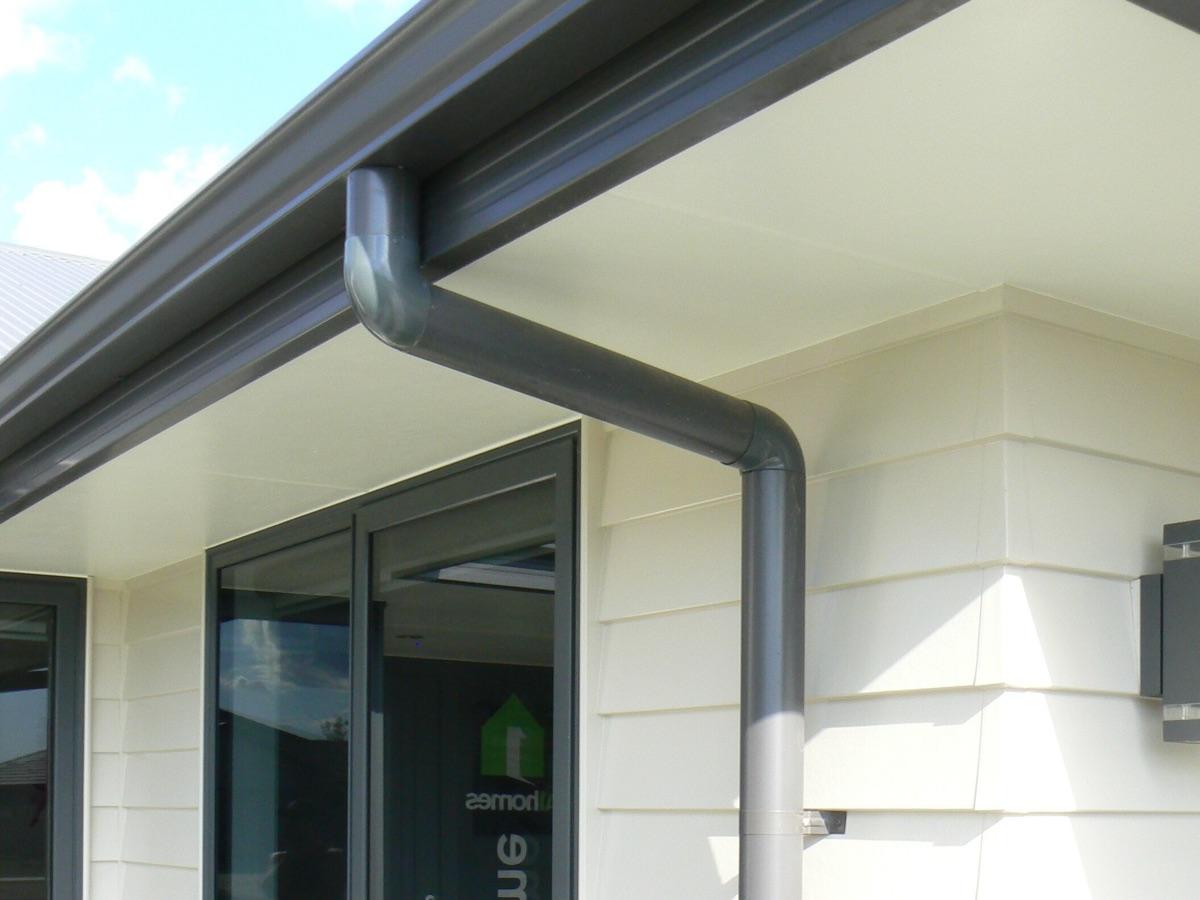
A Form Series round downpipe

Fall

Spouting has to slope toward its outlets, or water sits in it. The minimum fall is 1:1000 (1mm per metre). Our installers set the fall with traditional string lines, so water drains quickly to the downpipes. If your old spouting never drained properly, poor fall is a likely cause.
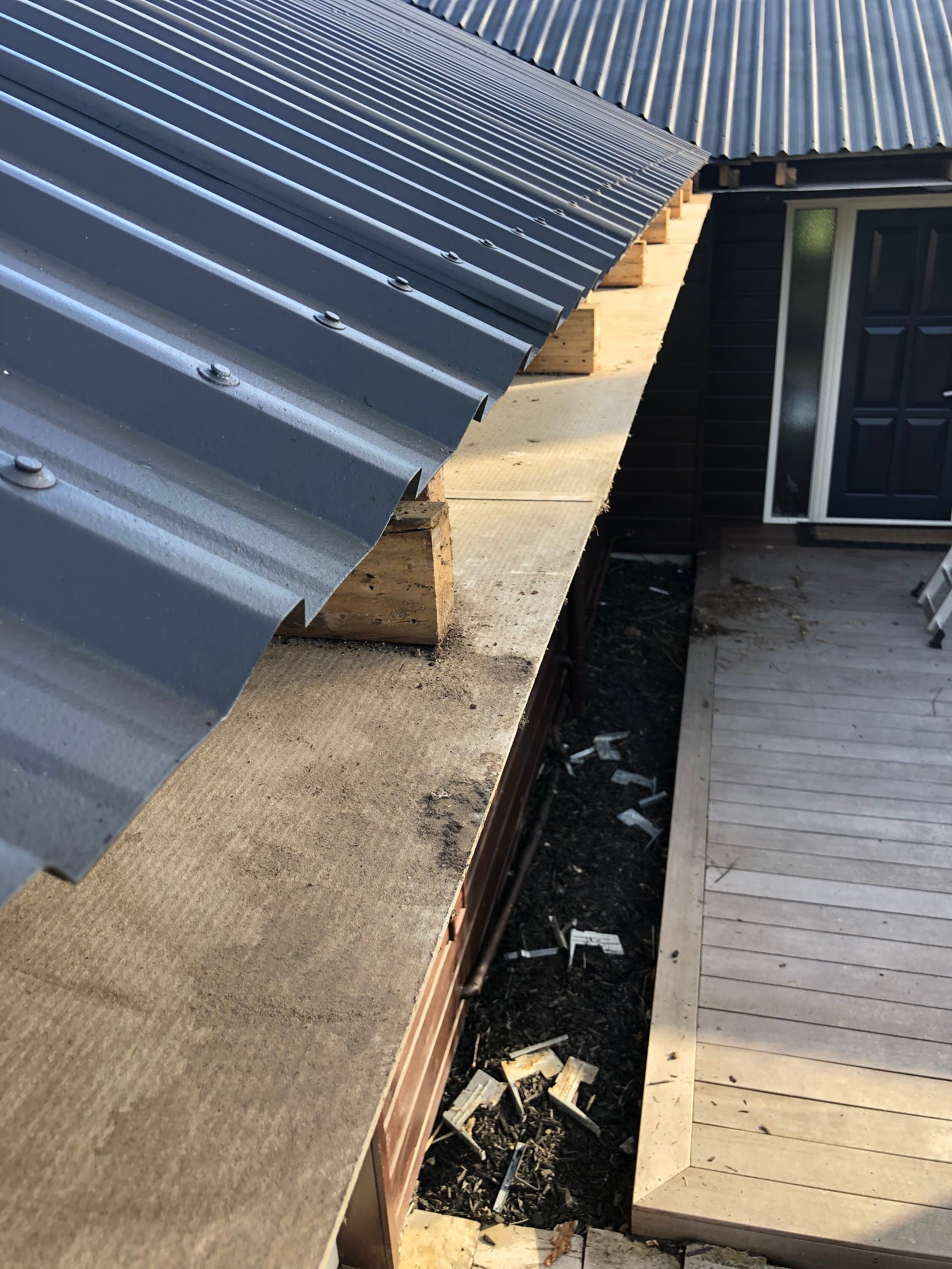
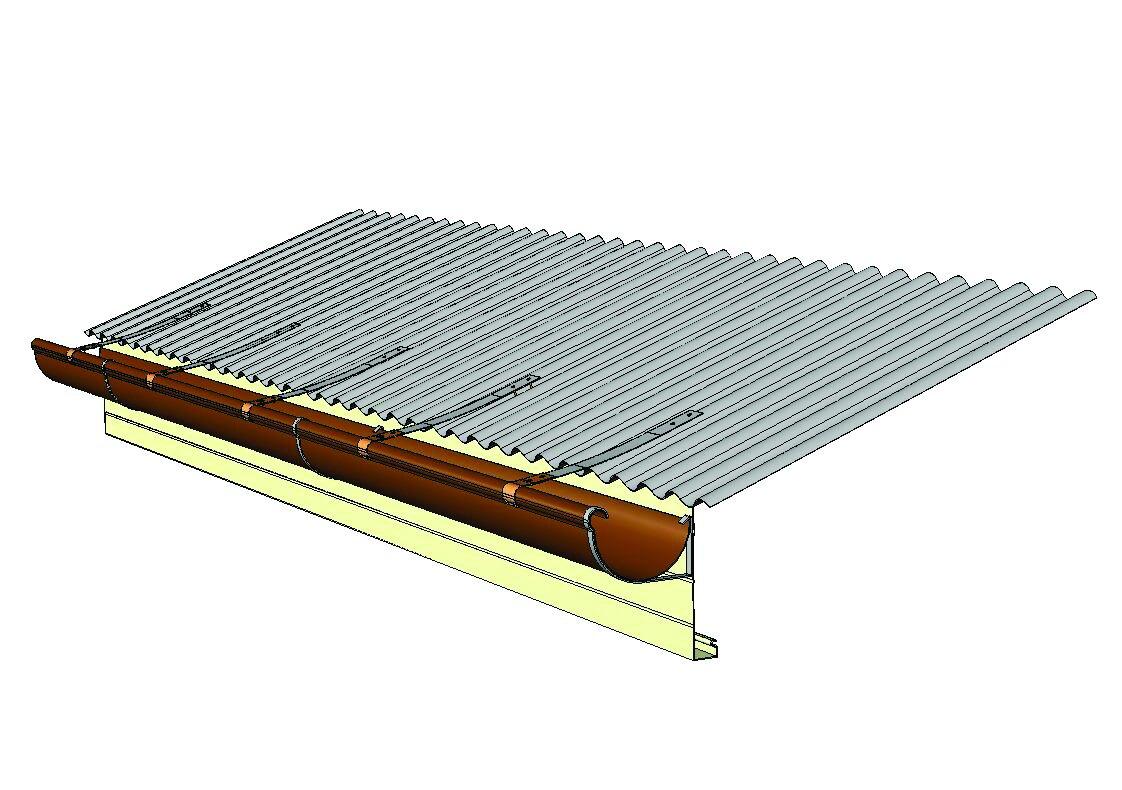
What happens in an overflow

Even a well-sized system can be overwhelmed in an extreme downpour. So it matters where the overflow goes.

Every Continuous Group profile has our Continuous Emergency Overflow System (CEOS). Our brackets hold the back of the spouting off the fascia, leaving a gap. In a heavy downpour, water spills out through that gap instead of into your home. The gap is 3mm on profiles up to 14,000mm², 6mm up to 26,000mm², and 9mm above that.

External spouting and concealed gutters

External spouting on the fascia keeps water outside the building. A concealed or internal gutter doesn't. When it overflows, water goes into the soffits, walls and ceilings. If your home has one, our Conform system replaces it with external spouting that extends the roofline. No re-roofing.

An internal gutter opened up during a Conform replacement

Water onto lower roofs

Some homes have water from an upper roof running onto a lower one. Section 5.8 of the NZ Metal Roofing Code of Practice requires a spreader there, so the water spreads across the lower roof instead of pouring onto one spot.

Materials for your site

The Building Code's E2/AS1 tables set which materials suit each exposure zone. Zones run from B (sheltered, inland) to E (severe sea spray).

  • Prepainted steel suits zones B and C. Zone D may need a pre-approval warranty application.
  • Aluminium and copper suit zones B to E.

The same tables cover which metals can touch, and which can sit under run-off from another. For example, water running off copper shouldn't flow onto aluminium or zinc-coated steel.

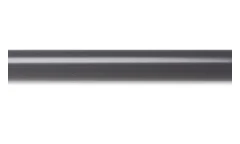
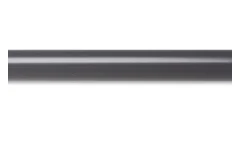
Prepainted steel: zones B to C. D: may need pre-approval
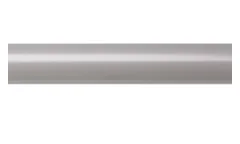
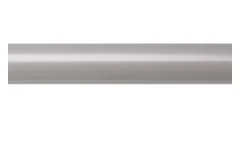
Aluminium: zones B to E
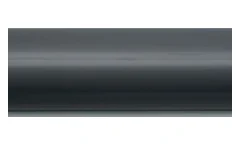
Copper: zones B to E
Exposure zones run from B (sheltered, inland) to E (severe sea spray).

Snow

In snow loading zones, we fit brackets closer together on most residential profiles: 600mm apart instead of 750mm. Snow hooks and snow straps add strength by fixing between the brackets and the roof.

  • Snow hooks suit Chief and Quartz in loading zones up to 1.5 kPa.
  • Snow straps suit any Continuous Group profile in zones up to 2.0 kPa.

Your local team checks the altitude of your nearest town and its snow loading zone to choose the right one.

Get these right and your home should stay watertight. Book a free onsite visit and your local team will work through each one for your place.

Snow straps fixed between the spouting brackets and the roof

Frequently asked questions

Something else on your mind? Your local team is happy to help.

0800 501 993
It depends on your roof area, the rainfall where you live and your spouting profile. Our round downpipes come in 65mm, 80mm, 100mm and 150mm. We size them with your spouting.
A 100mm Form Series round downpipe has a capacity of 7,690mm².
Larger roofs need larger downpipes. Our 150mm round downpipe has a capacity of 19,600mm², and pairs with high-capacity spouting like the Texan.
Aluminium and copper suit every exposure zone from B to E, including severe sea spray. Prepainted steel suits zones B and C.
At least 1:1000 (1mm per metre), enough to send water quickly to the downpipes. Our installers set it with string lines.

Talk to the experts

Book a free site visit with your local Continuous team. Honest advice and a clear, up-front quote.